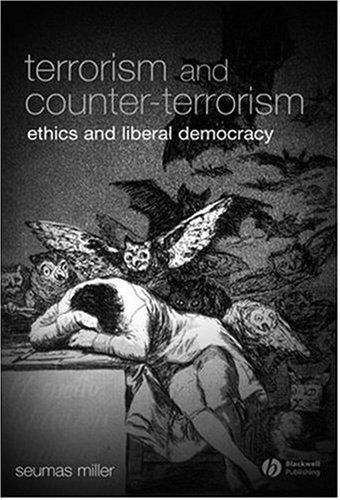
Terrorism and Counter-Terrorism: Ethics and Liberal Democracy
-
 Writen bySeumas Miller
 - PublisherWiley-Blackwell
- Year2008
Terrorism and Counter-Terrorism: Ethics and Liberal Democracy by Seumas Miller offers a philosophical analysis of the ethical dimensions of terrorism and the corresponding counter-terrorism measures within the context of liberal democracies. The book delves into defining terrorism, exploring its various forms, and assessing the moral justifications—or lack thereof—behind terrorist actions. Miller scrutinizes the ethical implications of counter-terrorism strategies, including the use of lethal force, targeted killings, detention, torture, and the challenges posed by bioterrorism. By examining historical and contemporary cases, such as the actions of the IRA, ANC, Hamas, and al-Qaeda, the author provides a nuanced understanding of political violence and the ethical boundaries that liberal democracies must consider when responding to such threats.In an age where terrorism remains a persistent global threat, this book's exploration of the ethical considerations surrounding both terrorist actions and state responses is highly pertinent. The balance between ensuring national security and upholding the principles of liberal democracy, including the protection of human rights and civil liberties, continues to be a critical debate. Miller's analysis offers valuable insights into these dilemmas, making it relevant for contemporary discussions on formulating ethical and effective counter-terrorism policies. Seumas Miller's work stands as a significant contribution to the discourse on the ethics of terrorism and counter-terrorism. The book's philosophical approach provides depth to understanding the moral complexities that liberal democracies face when confronting terrorism. It is a valuable resource for scholars, policymakers, and practitioners interested in the ethical dimensions of security and public policy. While some discussions may have evolved since its 2008 publication, the foundational ethical questions addressed remain relevant.